Our Land is Our Legacy
The story of Zach T. White, River Bend Farm and the final piece of legacy land that became The Fields.
Answering the Call of the West
In 1881, a young man named Zachariah Taliaferro White (Zach T. White) arrived in El Paso, Texas, with $15,000 in cash sewed into his vest. With the coming of the railroad to El Paso from all directions, he knew that something big was going to happen here and he wanted to be at the forefront. Being a pioneer was in his blood as both of his parents descended from the earliest settlers in Virginia where he was born and raised on his father's farm and tobacco plantation.
Zach was 25 years old when he came to Texas. First to Austin, where he and his brothers built the first water works system for that city and then to Dallas where Zach and a business partner built their first water works system, then on to Waco. That's when he sewed $15,000 worth of capital into his vest and set his sights on El Paso.
Clearing the Upper Valley
His first El Paso business venture was operating a grocery store with a partner in an adobe building where the Mills Building now stands. That store blossomed into a general store where they also sold hardware.
El Paso's Upper Valley land was affordable in the 1800's and Zach White purchased most of the land that we know today as El Paso's lush upper valley. At that time it was covered with shrub and cottonwoods and he hired many men and purchased many mules to clear the land. Once the land was clear, River Bend Farm gave way. Since he knew all about tobacco, he tried that first but the climate and soil in El Paso wasn't a good fit. He moved on to cotton and found that crop to be successful. If you're going to grow cotton, you're going to need a gin, so he and a group of farmers built a cotton gin near his brick factory.
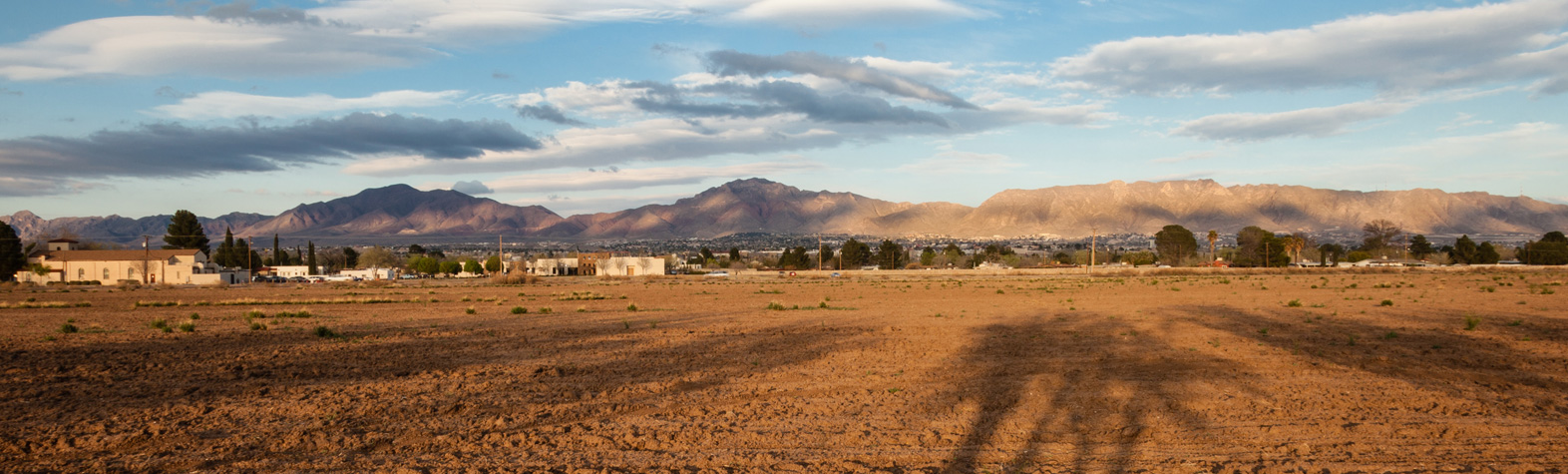
Like the Chamizal, a large part of the River Bend Farm was in a big bend of the Rio Grande and instead of building a bridge, Zach got clearance to change the course of the river by rechanneling it and this added hundreds of acres of farming land, which is now part of the present day Willows subdivision and the land where The Fields is located.
A Legacy in the Making
Answering the Call of the West
Zach T. White arrives in El Paso with $15,000 in cash sewn into his vest, after building water works systems in Austin and Dallas.
From Adobe Store to Enterprise
His first venture — a grocery in an adobe building where the Mills Building now stands — blossoms into a general and hardware store.
River Bend Farm
He purchases much of today's Upper Valley, clears shrub and cottonwoods, and moves from tobacco to successful cotton, building a cotton gin with fellow farmers.
Reshaping the River
Rather than build a bridge, he gains clearance to rechannel the river, adding hundreds of acres of farmland — including the land where The Fields is located.
“Keep Working”
At 80, he shares his philosophy for sidetracking old age: keep something ahead of you to be accomplished.
The Fields
The final piece of raw Zach White land becomes a legacy neighborhood of fine homes, kept and farmed by the family until now.
“Keep something ahead of you to be accomplished, something the progress of which you can watch with interest and with the realization that its accomplishment is of importance to your community and to your country.”Zach T. White, 1930
Why is it called The Fields?
When Zach White was 80 years old, in 1930, he said that his philosophy for sidetracking old age was simple. “Keep working,” he said. Zach White died on January 31, 1932.
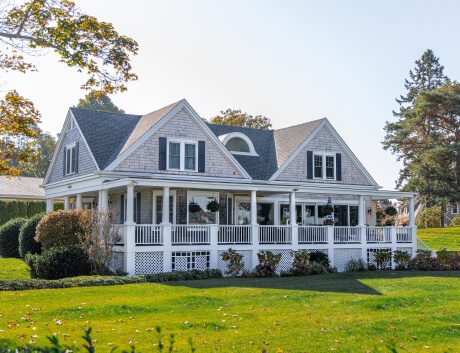
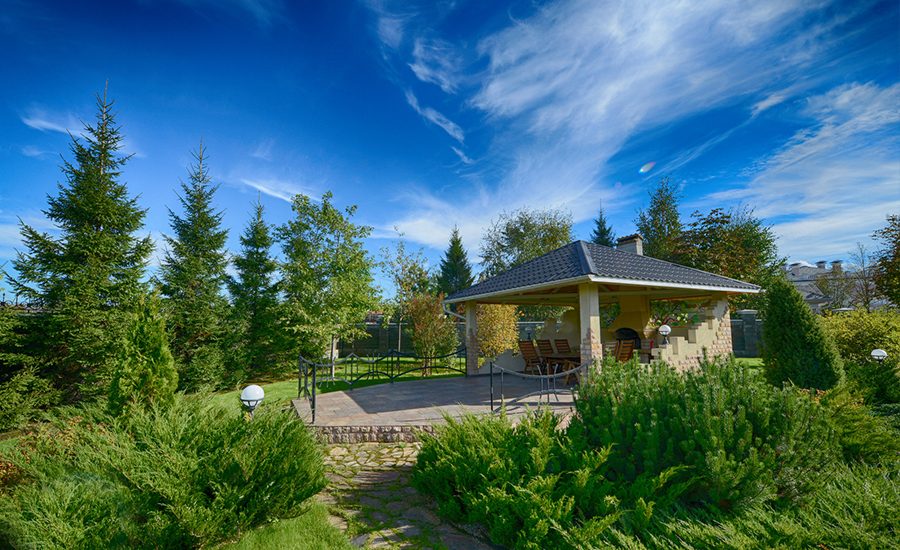
The Fields stands on the final piece of raw Zach White land, our legacy land. We named this subdivision The Fields in honor of Zach T. White's Farm that has been kept and farmed by the family. The Fields is special to us. It represents doing something great for our community. It represents building a beautiful neighborhood full of fine homes in which families can build their legacies in.
Read Our PhilosophyYour home is where our story begins
Reserve a private tour of The Fields and walk the land where your family's legacy can grow.